

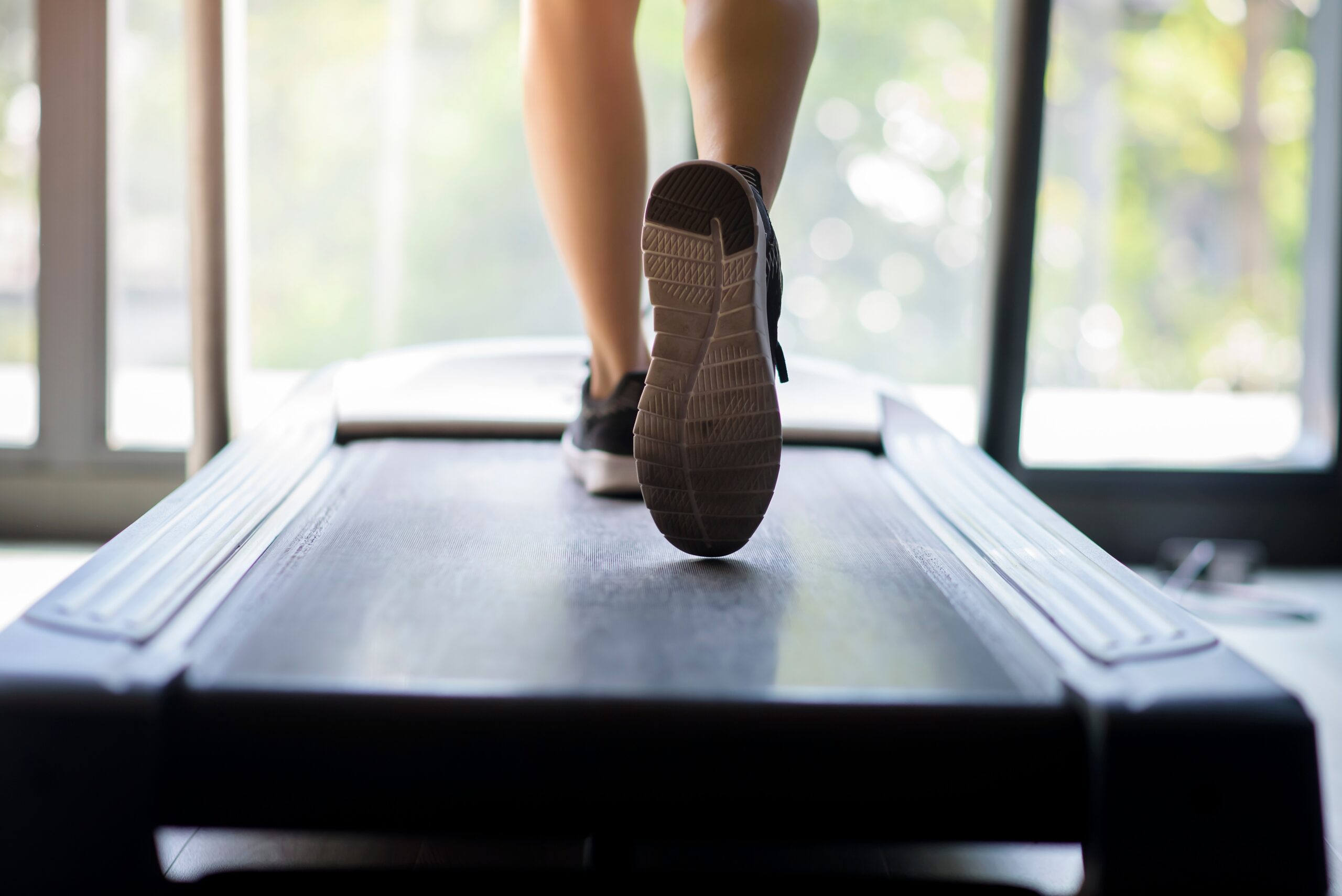
You don’t need an entire room to create a home fitness routine.
For a lot of people, the bigger challenge is finding equipment that fits into the space they already have—and that they’ll actually use consistently.
That’s one reason walking pads have become such an interesting option for small home gyms, apartments, bedrooms and home offices. They offer a way to walk indoors without committing to the size of a traditional treadmill.
But being smaller doesn’t automatically make a walking pad a smart purchase.
Before adding one to your home, it’s worth figuring out whether a walking pad fits your space, your goals and, most importantly, your actual routine.
What is a walking pad?
A walking pad is essentially a stripped-down, compact treadmill designed primarily for walking.
Many models remove the large console and permanent handrails you would normally see on a traditional treadmill. That allows them to have a much smaller footprint and, depending on the model, makes them easier to move or store when they’re not being used.
Walking pads are often used:
- while working at a standing desk
- while watching television
- for short indoor walks throughout the day
- when outdoor walking isn’t convenient
- as a compact cardio option in a small home gym
Cleveland Clinic describes walking pads as particularly useful for people trying to transition from a more sedentary routine to getting more movement during the day.
That’s probably the best way to think about them.
A walking pad isn’t necessarily meant to replace every form of cardio. Its real value may be making movement easier to fit into your normal day.
THE QUICK ANSWER
A walking pad can be worth it for beginners who want an easy way to walk more at home without dedicating space to a full-size treadmill. It makes the most sense if compact storage and convenient daily movement matter more to you than running, incline training, or advanced treadmill features.
Why a walking pad can make sense in a small space
A traditional treadmill can quickly become one of the largest pieces of furniture in a room.
A walking pad approaches the problem differently.
Instead of designing your space around the equipment, you’re looking for equipment that can work around the space you already have.
That can make a walking pad particularly appealing if your “home gym” is really a corner of your bedroom, part of your living room or an area in your home office.
Some models are low enough to store beneath a bed or sofa, while others can be rolled into a closet or against a wall.
But don’t rely on a product photo to tell you whether it will fit.
Before buying one, measure two spaces:
Where will you use it?
and
Where will you store it?
Those aren’t always the same place.
Are walking pads actually worth it?
For the right person, I think they can be.
The better question, though, is:
Will having an easy indoor place to walk make you move more consistently?
If the answer is yes, a walking pad may solve a real problem.
It may be worth considering if you spend much of your day sitting, work from home, want an indoor walking option, don’t have room for a full treadmill or simply want an easier way to add movement without turning every session into a formal workout.
That last part matters.
Not every bit of movement has to feel like “going to the gym.”
Federal physical-activity guidance recommends that adults accumulate at least 150 minutes of moderate-intensity aerobic activity each week, and that activity can be divided into smaller sessions. The CDC also emphasizes that some physical activity is better than none.
A walking pad can be one tool for making that movement more convenient.
It isn’t magic, though.
The best walking pad is still a bad investment if it spends every day under the sofa.
When a walking pad might not be the best choice
A walking pad isn’t simply a smaller version of every treadmill.
If your main goal is running, high-speed intervals or more advanced treadmill training, you may find many walking pads too limiting.
You may also prefer a traditional treadmill if you want substantial incline options, a larger running surface, built-in workout programs or permanent handrails.
And if balance or stability is a concern, a walking pad without traditional rails may not be the right starting point.
That’s why I wouldn’t choose one solely because it’s compact.
Choose it because walking is an activity you genuinely expect to do more often when it’s convenient.
7 things to check before buying a walking pad
1. Measure the space first
Don’t begin with the machine. Begin with the room. Measure the area where you expect to use the walking pad, including enough space to safely get on and off. Then measure wherever you plan to store it.
If you’re hoping to slide it beneath a bed or sofa, pay particular attention to the machine’s thickness and the actual clearance beneath your furniture.
A few inches can make the difference between convenient storage and having another piece of equipment permanently sitting in the room.
2. Check the speed range
Walking pads can vary considerably in speed. If your main goal is walking slowly while working, you may never need the upper end of the machine’s speed range.
If you’re planning brisk walks for cardio, speed becomes more important.
And if you’re expecting to run, confirm that the manufacturer actually intends the machine for that use rather than assuming it can handle it because it looks like a treadmill.
3. Pay attention to the walking surface
Compact equipment usually means compromises somewhere. One of those can be the size of the walking belt.
Compare the length and width of the usable walking area—not just the overall dimensions of the machine.
A smaller surface may be perfectly comfortable for one person and feel restrictive to someone taller or with a longer natural stride.
4. Check the weight capacity
This is an easy specification to overlook. Make sure the machine is appropriately rated for whoever will actually use it.
Don’t assume that all walking pads support the same amount of weight simply because their dimensions look similar.
5. Think about how you’ll move it
“Portable” can mean very different things. A machine may technically be movable while still being heavier than you want to lift every morning.
Look at the total product weight and whether the design includes transportation wheels.
Ideally, getting the walking pad out shouldn’t become enough of an inconvenience that you stop using it.
6. Consider noise and flooring
This becomes particularly important in apartments, shared homes and home offices.
If you’re planning to walk during meetings or early in the morning, consider not only motor noise but also the sound created by your steps.
The flooring underneath the machine can affect vibration and sound as well.
7. Decide which extra features actually matter
Walking pads now come with all sorts of additional features—displays, remote controls, incline options, apps, workout tracking and more.
Some may be useful.
But if you’re a beginner, I would prioritize the basics first:
Does it fit your space? Is the walking area comfortable? Is the speed appropriate? Can you store it easily? Will you actually use it?
Those questions matter more than having the longest feature list.
A compact walking pad option to consider
Affiliate disclosure: This article contains affiliate links. If you purchase a product through one of these links, MyWellXP may earn a commission at no additional cost to you. Product availability, specifications, pricing and promotional offers may change.
Sharper Image Walking Pad Under Desk Treadmill

One compact option currently available is the Sharper Image Walking Pad Under Desk Treadmill.
According to Sharper Image’s current specifications, the unit measures 48 inches long by 21 inches wide and 6 inches thick. It weighs 43 pounds and has built-in wheels intended to make repositioning easier.
Who I think this type of walking pad makes the most sense for
Based on the specifications, not personal product testing, I’d look at this type of machine primarily if you want something for regular walking, have limited floor space, want the option to move your equipment after using it, or spend enough time sitting that an indoor walking option could help make movement more convenient.
Its maximum listed speed also reinforces an important point: this is much more naturally positioned as a walking and light-activity machine than a substitute for a serious running treadmill.
CHECK CURRENT AVAILABILITY AT SHARPER IMAGE
Walking pad vs. treadmill: which one makes more sense?
If you’re already wondering whether you should skip the walking pad and buy a treadmill instead, think about the problem you’re trying to solve.
| If your priority is… | Better starting point |
|---|---|
| Saving floor space | Walking pad |
| Walking while working | Walking pad |
| Easy indoor daily steps | Walking pad |
| Equipment that’s easier to store | Walking pad |
| Regular running | Traditional treadmill |
| Higher speeds | Traditional treadmill |
| Larger walking/running surface | Traditional treadmill |
| More traditional workout features | Traditional treadmill |
Neither is automatically better.
The right choice depends on what you expect the machine to do.
Coming next: Walking Pad vs. Treadmill: Which Is Better for a Small Home Gym?
What about strength training?
A walking pad can handle the movement/cardio side of a small home gym, but it doesn’t replace resistance training.
You still don’t need a room full of weights.
If you’re deciding what compact strength equipment to pair with your walking setup, read Resistance Bands vs. Dumbbells for Beginners: What Should You Buy First?
So, should you buy a walking pad?
A walking pad can be a smart purchase if it removes one of the barriers keeping you from moving more.
Maybe you don’t have room for a treadmill.
Maybe outdoor walking isn’t always convenient.
Maybe you work from home and want a way to break up long periods of sitting.
Or maybe you simply want a form of cardio that doesn’t require changing clothes, driving somewhere or dedicating an hour to a workout.
Those are good reasons to consider one.
Buying a walking pad because everyone else seems to have one isn’t.
Before you order anything, ask yourself:
If this were sitting in my home tomorrow, when would I realistically use it?
If you can immediately picture where it will go and when you’ll walk, that’s a much better buying signal than a long list of features.
Because when you’re building a home gym, the goal isn’t to collect equipment.
It’s to make healthy choices easier to repeat.
Building your first home gym?
Before buying the next piece of equipment, make sure you’ve thought through your available space, what you actually need and what can wait.
Get the Free Small Home Gym Starter Checklist
Use it to plan your space, decide what to buy first and avoid spending money on equipment that doesn’t fit your routine.
GET THE FREE CHECKLIST
Frequently Asked Questions
Is a walking pad good for beginners?
It can be. Walking pads may be particularly useful for people moving from a relatively sedentary routine toward greater daily activity. Cleveland Clinic recommends starting slowly and gradually increasing walking duration and speed.
Can I use a walking pad in an apartment?
Potentially, yes. The compact footprint can make a walking pad easier to accommodate than a traditional treadmill. You should still measure the available area and consider noise and vibration, particularly if you live above another unit.
Can I use a walking pad under my desk?
Many walking pads are specifically designed for this purpose. You will generally need a standing or height-adjustable desk that provides enough space for you to walk comfortably while working. The Sharper Image model discussed above is specifically marketed as an under-desk walking pad.
Can you run on a walking pad?
That depends on the specific model. Many walking pads are primarily intended for walking or light activity and have lower maximum speeds than traditional treadmills. Always follow the manufacturer’s intended-use guidance rather than assuming a compact treadmill is designed for running.
Where can I store a walking pad?
That depends on the dimensions of the machine and your furniture. Depending on the model, potential storage locations may include under a bed, beneath a sofa or in another low-clearance storage area. For example, the Sharper Image model is six inches thick and is specifically marketed for compact storage.
Does walking count as exercise?
Yes. Brisk walking can count as moderate-intensity aerobic activity, and current federal guidelines recommend at least 150 minutes of moderate-intensity activity per week for adults. The activity can be divided throughout the week rather than completed all at once.